

Wilhelm Reich character analysis revolutionized the understanding of personality by uncovering how emotional defenses become embedded as body armor, creating distinct somatic and psychological patterns. Among Reich’s five character structures, the masochist character—often called the "endurer"—is a profound example of how the body and psyche intertwine to enforce submission and internalized pain. This article explores the masochist character structure rigorously, tracing its developmental roots, somatic manifestations, relational dynamics, and therapeutic pathways as understood through Reich’s original character analytic work and later developments in bioenergetics and somatic psychotherapy. The goal is to deepen clinical and personal insight into why self-defeating patterns persist and how somatic awareness can liberate authentic assertiveness.
Understanding the masochist character is critical for therapists and students striving to see beyond surface behaviors and grasp the embodied narratives of shame, rage, and containment. This analysis also equips individuals in therapy with a clearer map of their inner conflicts and somatic blockages.
The Theoretical Foundations of Wilhelm Reich Character Analysis
At the core of Wilhelm Reich’s work is the insight that emotional trauma and conflict are not only psychological but somatic, leading to a bodily armoring he called character armor. This armor is a chronic tightening and inhibition within muscles and movement patterns that simultaneously protects and restrains the individual from experiencing and expressing authentic emotions, especially anger and pleasure.
From Character Armor to the Five Character Structures
Reich identified five primary character structures, each with distinct profiles of defensive holding patterns, psychological conflicts, and coping styles: the oral, psychopathic, masochist, rigid, and narcissistic characters. Each structure develops through specific relational dynamics in early life, forming a blueprint of body-armored defenses that shape perception, affect regulation, and interpersonal behavior.
The masochist structure is defined by a tendency to absorb frustration and pain silently, holding rage inward behind dense armor. This suppression often manifests as enduring being controlled or harmed, internalizing shame and guilt with a covert but persistent rage that is rarely expressed openly.
Energetics of Character Armor: Reich and Lowen
Alexander Lowen, Reich's student, expanded on character analysis by integrating bioenergetics—a therapy approach focusing on liberating blocked somatic energy stored in the armor. Lowen emphasized that the masochist’s downward energy flow correlates with chronic tension in the pelvic floor and lower abdomen, reflecting the repression of will and sexual energy. Release of this tension restores spontaneity, grounding, and authentic assertiveness.
Thus, the character is not just a psychological profile but an energetic pattern locking life force and emotion into habitual defenses.
The Developmental Origins of the Masochist Character
To comprehend why the masochist develops their specific armor, it’s essential to look at early attachment and family dynamics. These dynamics mold the child's emerging self in relation to caregivers' demands, criticisms, and rhythms of approval and rejection.
Early Schreens: Shame and Submission as Survival
The masochist character frequently forms in an environment where expressing anger or desire directly risks abandonment, punishment, or disapproval. The infant learns that to maintain connection and love, they must endure frustration silently and suppress bursts of rage. This creates a skeletal framework of shame, self-condemnation, and helplessness masked by apparent compliance.
Developmentally, this suppression is linked with failure to meet the psychosocial tasks of autonomy vs. shame in early years, leaving an inner conflict of wanting to assert the self but feeling unsafe or immoral doing so.
Internalization of Authority and the Formation of Self-Defeat
Internalizing harsh parental authority transforms into an internal “critical voice” that fuels self-defeating behaviors typical of the masochist. Here, Wilhelm Reich identified the internalized societal conscience as a force that punishes and controls the ego. The endurer is caught in a dynamic where the need for love compels endurance of pain, fueling a cycle of submission and rage.
Somatic and Behavioral Manifestations of the Masochist Endurer
Moving from conceptual theory to lived experience, the masochist character translates into specific body postures, tensions, and behavioral styles that shape everyday functioning.
Body Armor: The Physical Signature of Submission and Rage
Reich and Lowen observed that the masochist’s body armor is marked by constriction in the lower abdomen, pelvis, and neck. The pelvic floor is often weak yet chronically contracted, creating an ambivalent state of tension characterized by both collapse and rigid holding.
This armor simultaneously contains suppressed rage and vulnerability: the neck tension blocks verbal expression of anger, while the pelvic tension traps sexual energy and authentic will, resulting in somatic symptoms such as digestive problems, chronic fatigue, or pelvic pain.
Behavioral Patterns: The Silent Endurer and Covert Resistor
Behaviorally, the masochist may present as compliant, humble, or self-effacing, often declining to express needs openly to avoid conflict. Endurers may stay quiet in situations of injustice, choosing internal suffering over confrontation. Paradoxically, beneath this passivity simmers covert anger and resentment directed at self and others.
In social interactions, the masochist may appear self-sacrificing, willing to take blame or responsibility disproportionally—patterns that sustain their character armor and limit genuine connection.
The Masochist Character in Relationships and Interpersonal Dynamics
Relationships reveal the masochist’s unconscious relational patterns in sharp relief, offering crucial insights into how character armor sustains relational dysfunction.
Submission as a Relational Strategy
Masked as devotion or humility, submission in masochistic individuals functions as an adaptive survival mechanism. Endurers often accept neglect, criticism, or abuse rather than risk loss of attachment. Their relational stance conveys, “I must endure to be loved,” which paradoxically insures repeated cycles of dissatisfaction and emotional injury.
Resisting Assertiveness: The Internal Battle
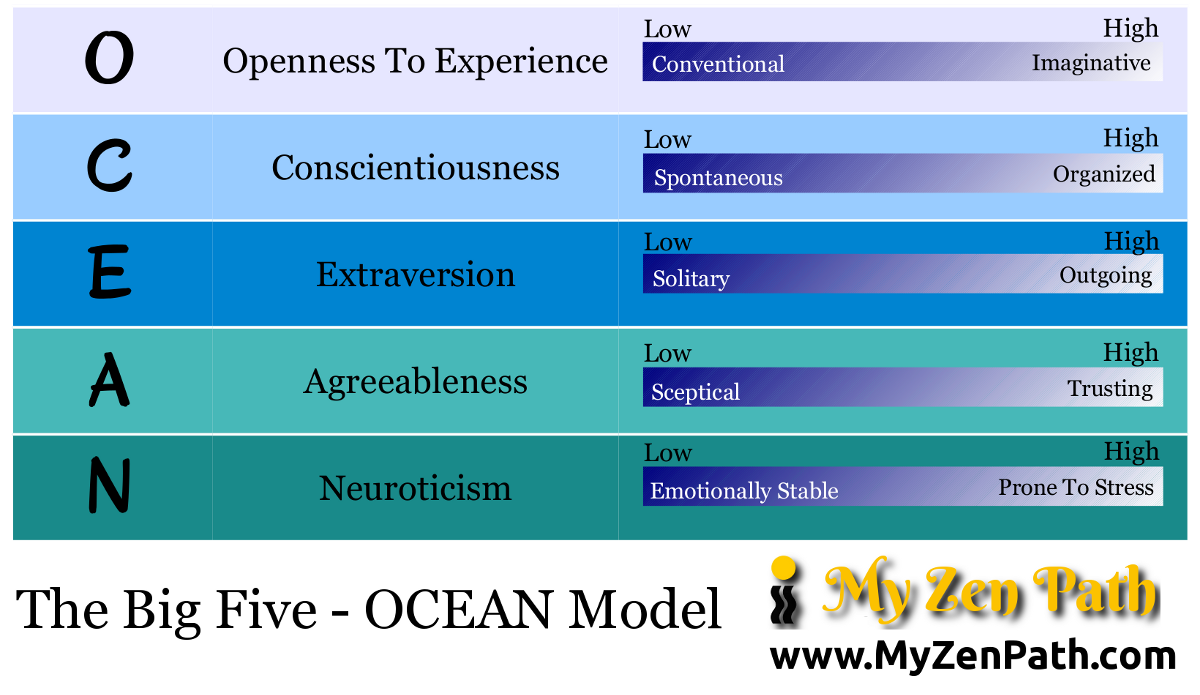
While masochists crave connection and recognition, internalized shame and fear of anger create a powerful barrier to expressing assertiveness or setting boundaries. This internal conflict fuels a self-defeating personality dynamic—sometimes diagnosed in modern terms as symptoms aligned with self-defeating personality disorder—where the individual unconsciously sabotages healthy autonomy.
The relational consequences are profound, often producing repetitive patterns of victimization, codependency, and self-neglect. Partners or colleagues may perceive the masochist as passive or overly compliant, leading to frustration or exploitation.
Therapeutic Approaches to Working with the Masochist Character
Given the complex somatic and psychological nature of the masochist’s defenses, therapy demands a nuanced approach integrating character analytic insight, body-centered work, and relational attunement.
Awakening Somatic Awareness Through Bioenergetics
Bioenergetic therapy focuses on gently dissolving the masochist’s armor by releasing muscular tensions and facilitating the flow of blocked bioenergy. Techniques such as grounding, breathing exercises, pelvic diaphragmatic work, and expressive movements help clients become conscious of their somatic holding and repressed rage.
Healing assertiveness in this context feels like a reclamation of internal strength, an authentic empowerment grounded in bodily presence rather than intellectual willfulness or aggressive posturing. Clients learn to inhabit their bodies fully without shame or fear.
Integrating Emotional Expression and Boundary Setting
Reichian analysis encourages the therapeutic exploration of the internalized critical voice and suppressed affect. By witnessing and naming the masochist’s shame and rage, therapy helps clients differentiate between destructive self-blame and legitimate anger. This fosters the courage to voice needs and assert boundaries.

Relational therapy modalities that emphasize empathy and attuned communication complement somatic work by creating safe environments where new relational patterns of autonomy and connectedness can be practiced.
Moving Beyond Self-Defeating Patterns
Transforming the masochist character structure involves dismantling the chronic polarity of submission and rage with new capacities for self-compassion and empowerment. This is a gradual process where persistent somatic inquiry guides the client beyond habitual defenses toward spontaneous lived experience.
Regular practice outside sessions—mindfulness of bodily sensations, gentle assertiveness exercises, and somatic grounding—strengthens new neural and muscular pathways supporting an integrated, autonomous self.
Practical Summary and Next Steps for Healing the Masochist Character
The masochist character structure embodies a complex interplay of developmental shame, internalized authority, somatic armor, and covert rage, producing patterns of self-defeat masked as endurance. Reich’s character analytic framework, enriched by Lowen’s bioenergetics and contemporary somatic psychotherapy, illuminates the deeply embodied nature of these patterns.
Therapeutic work incorporates somatic awareness to soften body armor, psychoemotional exploration to release shame and trapped rage, and relational healing to rebuild capacity for healthy assertion and connection. Embracing this integrated approach offers clients the possibility to step out of self-negation into embodied autonomy.
For those working with the masochist character—whether as therapists, students, or individuals—it helps to:
- Recognize and honor the subtle body manifestations of armor, particularly pelvic and neck tensions.
- Develop embodied awareness through grounding and breathing practices that reveal suppressed emotions.
- Address internalized shame and guilt by identifying critical inner voices and cultivating self-compassion.
- Practice assertiveness gradually in safe relationships, focusing on authentic expression rather than aggression.
- Integrate mind-body approaches consistently to dissolve the energetic constrictions maintaining the endurer pattern.
Healing the masochist character requires courage to inhabit one’s emotional truth and to reclaim spontaneous vitality hidden beneath decades of defensive endurance. This journey from internalized submission to embodied sovereignty is central to the liberatory promise of Reichian character analysis and modern somatic psychotherapy.